
Why Security Is a Continuous Process, Not a One-Time Setup
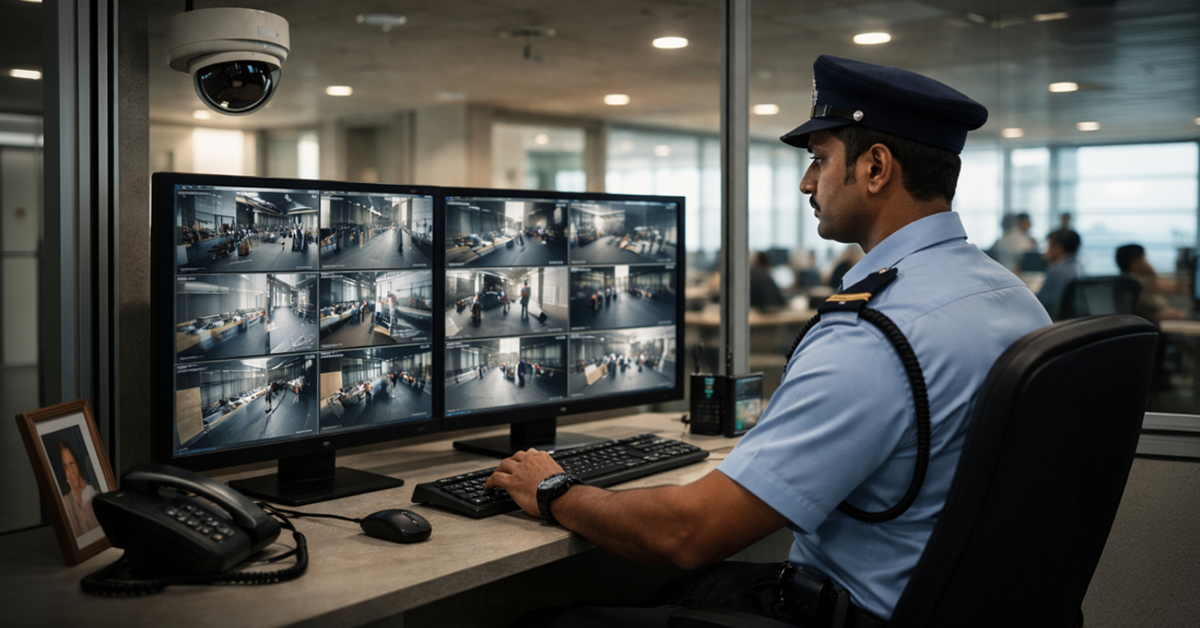
In today’s dynamic business environment, security is no longer a static function that can be addressed with a one-time setup. Installing CCTV cameras, deploying guards, or setting up access control systems is only the beginning. True security lies in continuous monitoring, regular upgrades, and proactive risk management. For organisations, viewing security as an ongoing process rather than a one-time investment is essential for long-term safety and resilience.
The Evolving Nature of Risks
Security threats are constantly evolving. From physical breaches and theft to internal risks and emergency situations, the nature of vulnerabilities changes over time. What may be considered a secure setup today could become outdated tomorrow. New technologies, changing workforce patterns, and increased footfall in commercial spaces all introduce fresh risks.
Continuous security ensures that these risks are identified, assessed, and addressed in real time, rather than reacting after an incident occurs.
Beyond Infrastructure: The Role of Human Vigilance
Security is not just about systems—it is about people. A uniformed guard without proper training or awareness cannot effectively manage complex situations. Trained security personnel require regular upskilling, scenario-based drills, and situational awareness training to stay prepared for emergencies.
Continuous improvement in human capabilities ensures that security teams can respond confidently to evolving threats, whether it’s managing crowd control, handling suspicious activity, or coordinating during emergencies.
Regular Audits and Risk Assessments
One of the most critical aspects of ongoing security is conducting periodic audits and risk assessments. These evaluations help identify gaps in existing systems, such as blind spots in surveillance, outdated equipment, or weak access control measures.
By regularly reviewing security protocols, organisations can strengthen their defense mechanisms and ensure that all safety measures remain effective and up to date.
Technology Needs Constant Upgrades
Security technology is advancing rapidly. Systems that were effective a few years ago may no longer meet current standards. Continuous security management involves upgrading surveillance systems, integrating smart monitoring tools, and ensuring real-time data tracking.
Modern security solutions, such as remote monitoring and automated alerts, require consistent maintenance and updates to function efficiently. Without ongoing attention, even the best technology can become ineffective.
Preparedness Through Drills and Planning
Emergencies cannot be predicted, but they can be prepared for. Regular mock drills, evacuation exercises, and response planning ensure that both employees and security personnel know exactly how to act during critical situations.
This level of preparedness can significantly reduce panic, improve response time, and minimise damage during real emergencies.
Conclusion
Security is not a one-time task—it is a continuous commitment. From evolving threats and advancing technology to human preparedness and regular audits, every aspect of security requires ongoing attention and improvement. At Custodian, we believe that effective security goes beyond presence—it’s about constant vigilance, continuous training, and proactive planning. By treating security as an ongoing process, organisations can create safer environments, protect their people and assets, and ensure uninterrupted operations.