How Preventive Maintenance Supports Long-Term Sustainability
In today’s rapidly evolving business environment, sustainability is no longer just a corporate initiative—it is a long-term operational necessity. Organisations across industries are increasingly focusing on reducing waste, improving efficiency, and creating environmentally responsible workplaces. One of the most effective yet often overlooked ways to achieve this is through preventive maintenance.
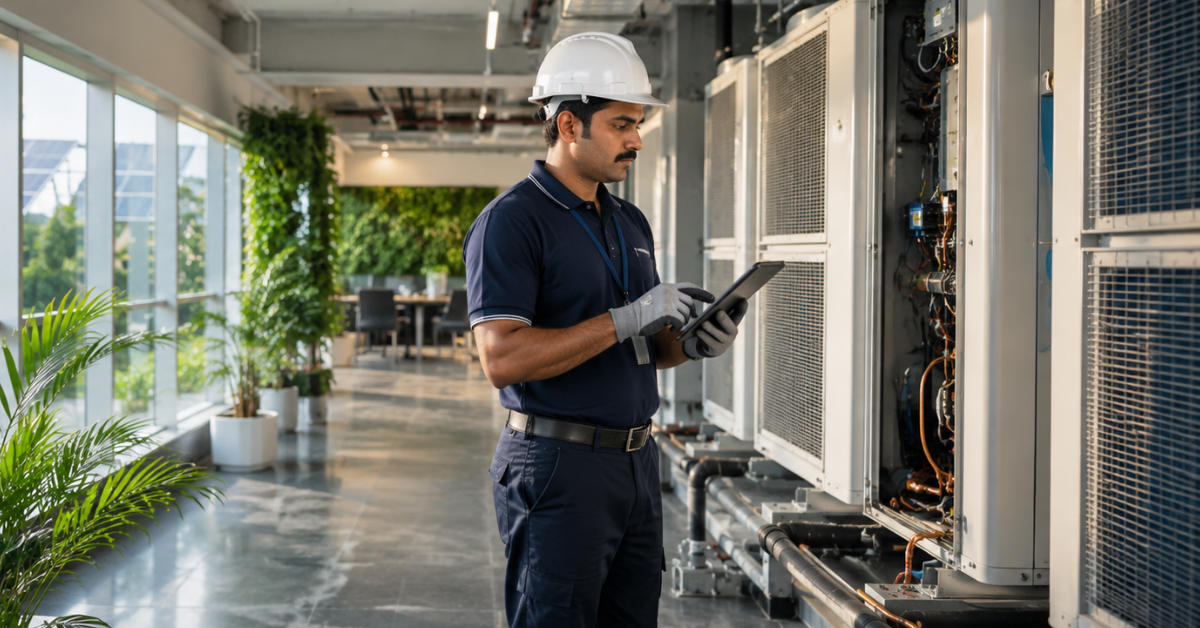
Preventive maintenance refers to the regular inspection, servicing, and upkeep of equipment, infrastructure, and facility systems before major issues occur. Rather than reacting to breakdowns or failures, businesses take proactive steps to ensure smooth operations and long-term performance. This approach not only improves operational efficiency but also plays a significant role in supporting sustainability goals.
Reducing Resource Waste
When equipment and facility systems are not maintained properly, they tend to consume more energy and resources. Faulty HVAC systems, leaking pipelines, inefficient lighting, or poorly functioning machinery can significantly increase electricity and water consumption. Preventive maintenance helps identify these inefficiencies early, reducing unnecessary resource usage and supporting environmentally responsible operations.
Well-maintained systems operate more efficiently, helping organisations lower their overall carbon footprint while reducing utility costs.
Extending Equipment Lifespan
Frequent breakdowns and neglect often lead to premature replacement of equipment and infrastructure. This results in increased material waste, higher procurement costs, and additional environmental impact caused by manufacturing and disposal processes.
Preventive maintenance extends the life of critical assets by ensuring they remain in optimal working condition. Regular servicing, inspections, and timely repairs reduce wear and tear, allowing businesses to maximise the value of their existing infrastructure instead of replacing it frequently.
Minimising Operational Downtime
Unexpected system failures can disrupt operations, affect productivity, and create unnecessary financial strain. Emergency repairs often require urgent resource consumption, additional manpower, and replacement materials, all of which increase operational inefficiencies.
By proactively addressing potential issues, preventive maintenance minimises downtime and ensures uninterrupted operations. Stable and efficient facilities contribute to long-term business sustainability by improving productivity and reducing avoidable operational losses.
Improving Workplace Safety
Sustainability is not limited to environmental responsibility—it also includes creating safe and healthy workplaces. Poorly maintained electrical systems, fire safety equipment, elevators, and machinery can pose serious safety risks to employees and visitors.
Regular inspections and maintenance ensure that safety systems remain fully functional and compliant with regulations. This proactive approach reduces accidents, supports employee well-being, and creates safer environments for everyone within the facility.
Supporting Sustainable Facility Management
Modern facility management is increasingly focused on sustainable practices, and preventive maintenance is a key part of that strategy. From energy-efficient operations to responsible resource management, proactive maintenance supports long-term sustainability goals while improving overall operational performance.
Businesses that invest in preventive maintenance demonstrate a commitment to responsible management, operational excellence, and environmental consciousness.
Conclusion
Preventive maintenance is more than just routine servicing—it is a strategic approach that supports long-term sustainability, operational efficiency, and workplace safety. By reducing waste, extending asset lifespan, improving energy efficiency, and minimising disruptions, organisations can create smarter and more sustainable facilities.
At Custodian, we believe proactive maintenance is essential for building resilient and future-ready workplaces. Through structured facility management solutions, we help businesses maintain efficient operations while supporting long-term sustainability goals.