How Trained Facility Teams Improve Workplace Resilience
In today’s fast-changing business landscape, resilience has become a key factor in organizational success. Whether facing operational disruptions, safety incidents, natural disasters, or unexpected emergencies, businesses need the ability to adapt and recover quickly. While technology and infrastructure play an important role, one of the most valuable assets in building workplace resilience is a well-trained facility management team.
From maintaining critical infrastructure to responding effectively during emergencies, trained facility professionals help ensure that workplaces remain safe, functional, and prepared for any challenge.
Building a Strong Foundation for Business Continuity
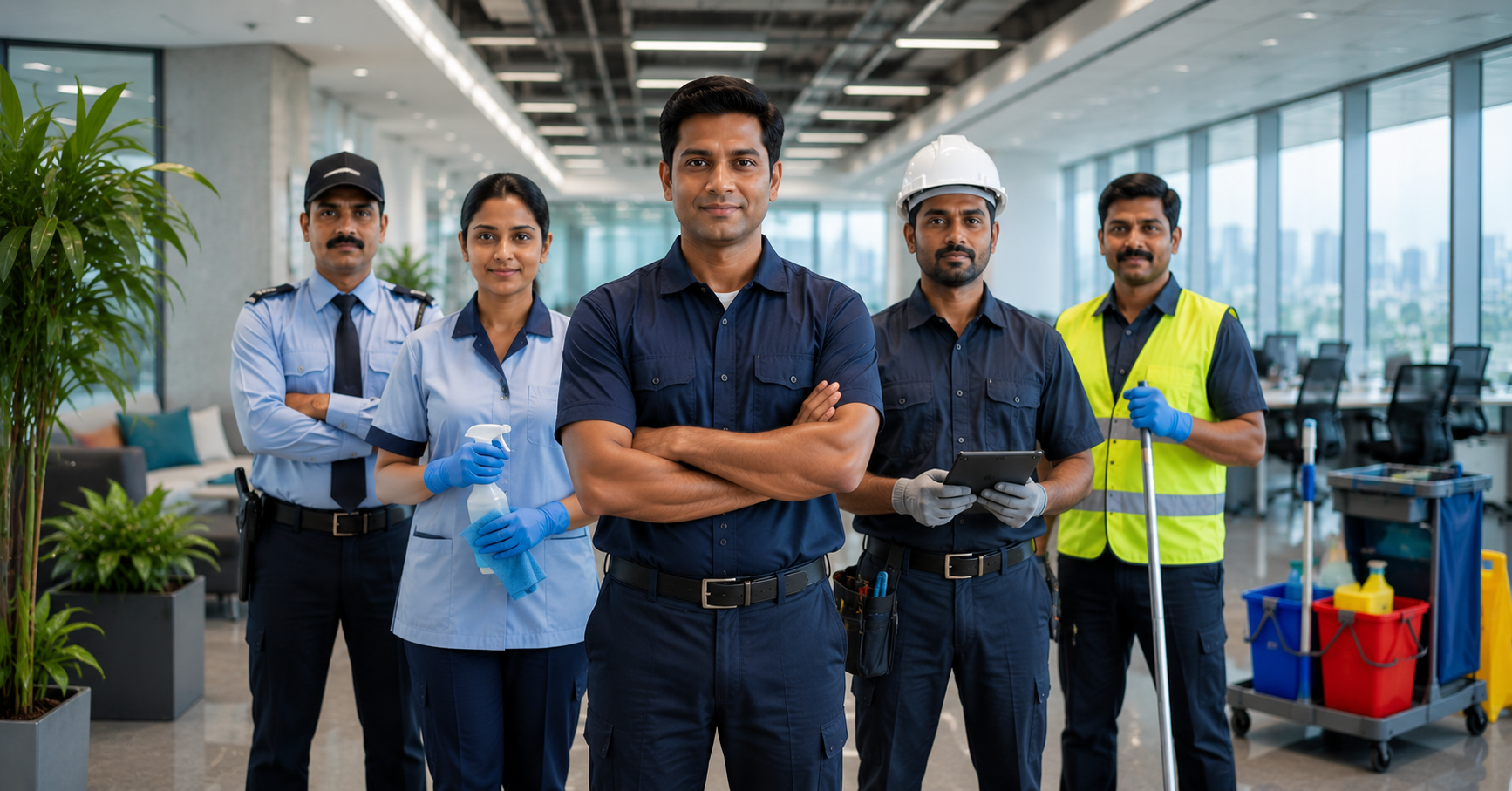
Facility teams are responsible for managing the day-to-day operations that keep workplaces running efficiently. This includes housekeeping, security, fire safety, preventive maintenance, and infrastructure management. When these functions are handled by trained professionals, businesses experience fewer disruptions and can maintain continuity even during challenging situations.
Well-trained teams understand operational procedures, follow established safety protocols, and respond proactively to potential issues before they become major problems.
Early Identification of Risks
One of the biggest advantages of having trained facility personnel is their ability to identify risks early. Routine inspections and continuous monitoring allow them to detect issues such as electrical faults, water leaks, fire hazards, equipment malfunctions, or security vulnerabilities before they escalate.
Early intervention minimizes downtime, reduces repair costs, and prevents incidents that could impact employee safety or business operations.
Effective Emergency Response
Emergencies require quick thinking, clear communication, and coordinated action. Trained facility teams are equipped to respond calmly and efficiently during situations such as fires, medical emergencies, power failures, or security breaches.
Their responsibilities often include:
- Guiding safe evacuations
- Operating emergency equipment
- Coordinating with emergency responders
- Managing crowd movement
- Securing critical areas
Regular emergency drills and scenario-based training ensure that facility personnel remain prepared, helping organizations reduce panic and improve response times when every second matters.
Maintaining Safe and Healthy Work Environments
Resilient workplaces prioritize the well-being of employees and visitors. Trained housekeeping and maintenance teams follow structured cleaning protocols, maintain hygiene standards, and ensure that all facility systems function efficiently.
They help prevent workplace hazards by:
- Keeping walkways clean and obstruction-free
- Maintaining fire safety equipment
- Inspecting HVAC systems
- Monitoring water and electrical systems
- Ensuring compliance with workplace safety standards
These preventive measures create healthier workplaces while reducing operational risks.
Supporting Long-Term Operational Excellence
Workplace resilience is not built during emergencies—it is developed through consistent preparation and continuous improvement. Skilled facility teams contribute by maintaining equipment, documenting inspections, conducting regular audits, and recommending operational improvements.
Their expertise allows businesses to adapt to changing requirements while maintaining high standards of safety, efficiency, and compliance.
Creating Confidence Across the Organization
Employees feel more secure and confident when they know trained professionals are managing their workplace. Clients and visitors also recognize organizations that prioritize safety, cleanliness, and operational excellence. This trust strengthens business reputation and reinforces confidence among all stakeholders.
A resilient workplace is one where people can focus on their work, knowing the environment is professionally managed and prepared for unexpected situations.
Conclusion
Workplace resilience depends on much more than buildings and equipment—it depends on the people who manage them every day. Trained facility teams play a critical role in identifying risks, maintaining safety, responding to emergencies, and ensuring uninterrupted operations.
At Custodian, we believe that professional training, proactive management, and continuous preparedness are the cornerstones of resilient workplaces. Our experienced teams are committed to delivering integrated facility management solutions that help organizations protect their people, preserve their assets, and operate with confidence—today and into the future.